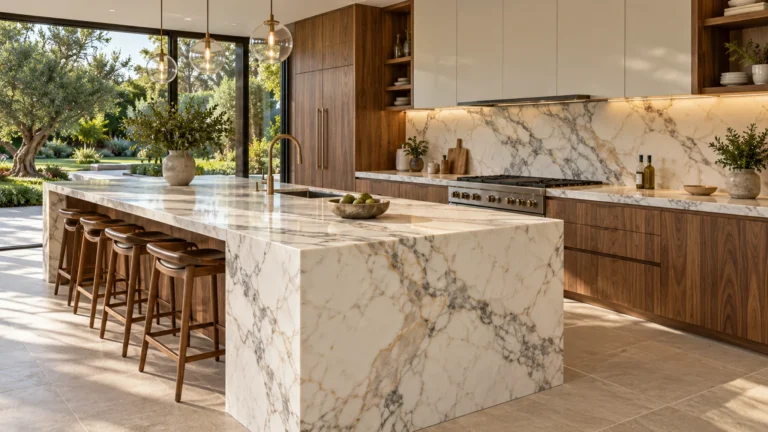
Importing kitchen cabinets from China has become a popular choice for homeowners, contractors, and project developers worldwide. China offers competitive pricing, wide product variety, and the ability to customize designs for different residential and commercial projects.
Health and environmental standards are crucial factors that determine whether the cabinets you import are safe for everyday use and compliant with international regulations.
Non-compliant cabinets can lead to customs delays, financial losses, and even health risks for end-users.
This guide explains the essential health, safety, and environmental standards for importing kitchen cabinets from China, the key certifications you should request, and practical tips to make your import process smooth and risk-free.

Why Health and Environmental Standards Matter for Imported Cabinets
Kitchen cabinets are installed indoors and are expected to remain in the building for many years. Engineered wood panels, adhesives, paints and coatings can release formaldehyde or other volatile organic compounds into indoor air.
Risks of Non-Compliant Kitchen Cabinets
- High formaldehyde emissions can cause indoor air pollution, allergies, or respiratory issues.
- Non-certified wood may come from illegal logging, leading to customs issues and reputational risks.
- Non-compliant finishes or glues may contain harmful VOCs (volatile organic compounds), impacting indoor air quality.
Benefits of Certified and Eco-Friendly Cabinets
- Safe for homeowners, families, and commercial projects such as hotels, offices, and schools.
- Smooth customs clearance and compliance with destination country regulations.
- Improved trust with clients and end-users when certifications are provided.
Before placing an order, buyers should verify five areas:
1. Formaldehyde emissions from MDF, particleboard, plywood and other engineered wood;
2. VOC emissions or VOC content from paint, lacquer, adhesives and finishes;
3. Legal and sustainable timber sourcing;
4. Product labels, test reports and importer records;
5. Export packaging, including ISPM 15 requirements where solid-wood packaging is used.
Conclusion
Importing kitchen cabinets from China can be a cost-effective and reliable option, but only if health and environmental standards are taken seriously.
- For homeowners, focus on eco-friendly materials and safe emissions (E0/E1, CARB P2).
- For importers and project developers, ensure comprehensive compliance with CARB, TSCA VI, REACH, FSC, and ISO certifications.
- Partnering with trusted suppliers like George Cabinetry guarantees not only beautiful design but also internationally compliant, eco-friendly products.
By prioritizing standards and certifications, you can confidently bring safe, sustainable, and stylish kitchen cabinets from China to your market.